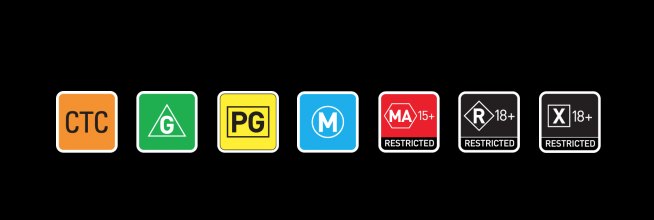
Several new Online Safety Codes will soon come into force in Australia, significantly affecting what users can see, access, and do online, and how that access is regulated.
Writing in The Conversation, Professor Lisa M. Given of RMIT University outlines how online content will increasingly be filtered by search engines under the Internet Search Engine Services Code, with direct implications for everyday online activity.
Professor Given writes “Under the code, companies need to filter content for all account holders under age 18 to reduce the risk of Australian children accessing or being exposed to online pornography or harmful material in search engine results.”
Additional Online Safety Codes will further regulate who can access specific types of online content and what constitutes lawful access. These measures include the expansion of online age-assurance technologies, such as age estimation and age verification systems.
While some age-assurance mechanisms are already being used in Australia, most notably in efforts to restrict under 16s from accessing certain social media platforms, the next phase of regulation extends beyond minors. Adults are increasingly subject to age-estimation screening across social media platforms, websites, and digital services.
These new Codes operate under the broader framework of the Online Safety Act 2021, which is currently in the early stages of statutory review. A central focus of the review is the expansion of a “digital duty of care,” further increasing obligations on online service providers.
Australia’s online regulatory environment is evolving. As new codes, and regulatory instruments take effect over the coming months, they will reshape how we search for information, access digital services, and engage with online content.
Critics warn that automated filtering, blurring, or blocking of content by search engine algorithms will result in regulatory overreach. In practice, this could lead to the suppression of lawful educational, health, sexual health and other material. The requirements of the new Online Safety Codes to utilise age-assurance technologies has also raised concerns about privacy, data security, and the heightened risk of identity theft arising from data breaches.